


 The teen sitting across from me avoided making eye contact as he responded to my questions. He provided thoughtful answers in a soft voice as he looked down at the rubber band in his hands, stretching and turning it repeatedly. Clearly this young man was struggling with symptoms of depression such that he was disengaged from his friends, skipping track practices, missing homework assignments, sleeping too much. Yet when I asked him if I could share his symptoms with his guidance counselor so that he could get some support in school, he quickly replied, “No,” saying that he didn’t want anyone at school to know. “I’m only telling you about this, “ he insisted, “because I’ll never see you again.”
My colleagues and I routinely hear such statements from the adolescents we screen for depression and suicidal thoughts. Although these teens readily reveal their symptoms and struggles to us, adults who enter their middle and high schools for a few weeks each year and then leave as quickly as we arrive, they are reluctant to reveal their inner thoughts and feelings to the people they see every day: parents, teachers, school counselors. And the parents of these teens repeatedly tell us that they do not want us to share the results of our screening efforts with school personnel who could provide support during the school day. Consistent with our experiences in schools, research suggests that, even when adults in school are educated about the signs and symptoms of youth depression and are prepared to support teens who are struggling, such gatekeeper education programs often do not increase the likelihood that teens, who, for example, are experiencing suicidal thoughts, will seek out adults for support. Moreover, one study revealed that most teens who have made a suicide attempt said they would not share this fact with a counselor or other adult at school, and that they believed their parents would not want them to do so.
How significant of a problem is depression and suicidal behavior among adolescents? A recent Pew Research Center poll indicates that adolescents view depression and anxiety as key concerns for themselves and their peers, and as even more significant concerns than drug/alcohol abuse and bullying. We know that rates of depression in youth are quite high, with as many as 11% experiencing a Major Depressive Disorder by the end of adolescence. Suicide is the second leading cause of death among those ages 10-19, and depression is common among adolescents who exhibit suicidal thoughts and behaviors. In fact, suicidal thinking has been found to be elevated even among adolescents who experience symptoms of depression without meeting full diagnostic criteria for Major Depressive Disorder.
If the many adolescents who are struggling with mental health concerns are not willing to seek support from school personnel, where are they getting the information and support they need? How can we provide teens with tools to promote health and wellbeing?
We know that teens are turning to sources outside of their homes and school communities for information about youth depression, and for indications of how best to manage strong feelings they may be experiencing. For example, a new study indicates that teens may be gathering information about managing suicidal thoughts from television programming, and we have long been warned about the effects of modeling on suicidal behavior among youth, leading to clusters of suicide in a community. In the context of so many unhealthy personal and media examples of teens managing depression, there is much we can do to support the teens in our lives, both those we know well and those we know less well.
In fact, warm interpersonal relationships, and the presence of a close relationship with an adult outside of the home, have been found to be significant sources of strength and to promote resilience in children at risk for depression. For example, in a study of children of depressed parents who maintain good mental health over time, high-quality social relationships were identified as a protective factor. More specifically, researchers in Ireland found that, in a study of risk and protective factors for depression and anxiety in a community sample of adolescents, the presence of “one good adult” in a teen’s life was identified as a protective factor.
You can serve as that “one good adult” and influence adolescents you know toward health and wellbeing: your own children, your children’s friends, and the children of your friends. You can provide a safe source of support to teens in your community, and you can contribute toward reducing the stigma associated with depression, anxiety, and other forms of mental illness. How can you do this? Talk directly to the teens you encounter, and express interest in them, their relationships, and their activities. Talk to the teens you are shuttling to practice in the back of your car, and listen carefully to their conversations. Ask teens how they are feeling, and what they think about, and what they worry about. Listen to their responses, and express caring and concern. Reinforce the value of mental health treatment, and reinforce the value of parents, school counselors, and others in the community who can provide mental health supports. Don’t be afraid to ask teens who report feelings of hopelessness or depression if they ever experience suicidal thoughts—asking this question will not encourage suicidal behavior. Share concerns with parents and others who are directly involved in an at-risk teen’s daily care. Support your children in establishing meaningful relationships with neighbors, an aunt or uncle, and encourage your children to share their feelings openly.
In this month of May, Mental Health Awareness Month, we have the opportunity to be intentional in our support of the adolescents we encounter in our communities, and to recognize the power we have to support their healthy growth and development.
Tracy Gladstone, Ph.D., is an associate director and senior research scientist at the Wellesley Centers for Women as well as the inaugural director of the Robert S. and Grace W. Stone Primary Prevention Initiatives, which aims to research, develop, and evaluate programs to prevent the onset of depression and other mental health concerns in children and adolescents. She is also an assistant in psychology at Boston Children’s Hospital, an instructor at Harvard Medical School, and a research scientist at Judge Baker Children’s Center. Gladstone leads depression prevention programs in two greater Boston school districts, to identify and connect adolescents to appropriate services who report depressive symptoms, self-injury, and suicidal thinking.
Abrutyn, S. & Mueller, A.S. (2014). Are suicidal behaviors contagious in adolescence? Using longitudinal data to examine suicide suggestion. American Sociological Review, 79, 211-227.
Avenevoli, S., Swendsen, J., He, J.P., Burstein, M., & Merikangas, K.R. (2015). Major depression in the national comorbidity survey-adolescent supplement: Prevalence, correlates, and treatment. Journal of the American Academy of Child and Adolescent Psychiatry, 54, 37-44.
Balazs, J., Miklosi, M., Kereszteny, A., Hoven, C.W., Carli, V., Wasserman, C., Apter, A.,…Wasserman, D. (2013). Adolescent subthreshold-depression and anxiety: psychopathology, functional impairment and increased suicide risk. Journal of Child Psychology and Psychiatry, 54, 670-677.
Beardslee, W.R. & Podorefsky, D. (1988). Resilient adolescents whose parents have serious affective and other psychiatric disorders: Importance of self-understanding and relationships. American Journal of Psychiatry, 145, 63-69.
Bridge, J.A., Greenhouse, J.B., Ruch, D., Stevens, J., Ackerman, J., Shefftall, A.H., Horowitz, L.M.,…Campo, J.V. (in press). Association between the release of Netflix’s 13 Reasons Why and suicide rates in the United States: An interrupted time series analysis. Journal of the American Academy of Child and Adolescent Psychiatry.
Collishaw, S., Hammerton, G., Mahedy, L., Sellers, R., Owen, M.J., Craddock, N., Thapar, A.K.,…Thapar, A. (2016). Mental health resilience in the adolescent offspring of parents with depression: A prospective longitudinal study. The Lancet Psychiatry, 3, 49-57.
Dazzi, T., Gribble, R., Wessely, S., & Fear, N.T. (2014). Does asking about suicide and related behaviours induce suicidal ideation? What is the evidence? Psychological Medicine, 44, 3361-3363.
Dooley, B., Fitzgerald, A., & Mac Giollabhui, N. (2015). The risk and protective factors associated with depression and anxiety in a national sample of Irish adolescents. Irish Journal of Psychological Medicine, 32, 93-105.
Insel, B.J. & Gould, M.S. (2008). Impact of modeling on adolescent suicidal behavior. Psychiatric Clinics of North America, 31, 293-316.
Nock, M.K., Green, J.G., Hwang, I., McLaughlin, K.A., Sampson, N.A., Zaslavsky, A.M., & Kessler, R.C. (2013). Prevalence, correlates, and treatment of lifetime suicidal behavior among adolescents. JAMA Psychiatry, 70, 300-310.
Silk, J.S., Vanderbilt-Adriance, E., Shaw, D.S., Forbes, E.E, Whalen, D.J., Ryan, N.D. & Dahl, R.E. (2007). Resilience among children and adolescents at risk for depression: Mediation and moderation across social and neurobiological contexts. Development and Psychopathology, 19, 841-865.
Whitney, S.D. Renner, L.M., Pate, C.M., & Jacobs, K.A. (2011). Principals’ perceptions of benefits and barriers to school-based suicide prevention programs. Children and Youth Services Review, 33, 869-877.
Wyman, P.A., Brown, C.H., Inman, J., Cross, W., Schmeelk-Cone, K., Guo, J., & Pena, J.B. (2008). Randomized trial of a gatekeeper program for suicide prevention: 1-year impact on secondary school staff. Journal of Consulting and Clinical Psychology, 76, 104-115.

 Recently I returned from Liberia, which USA Today just rated as
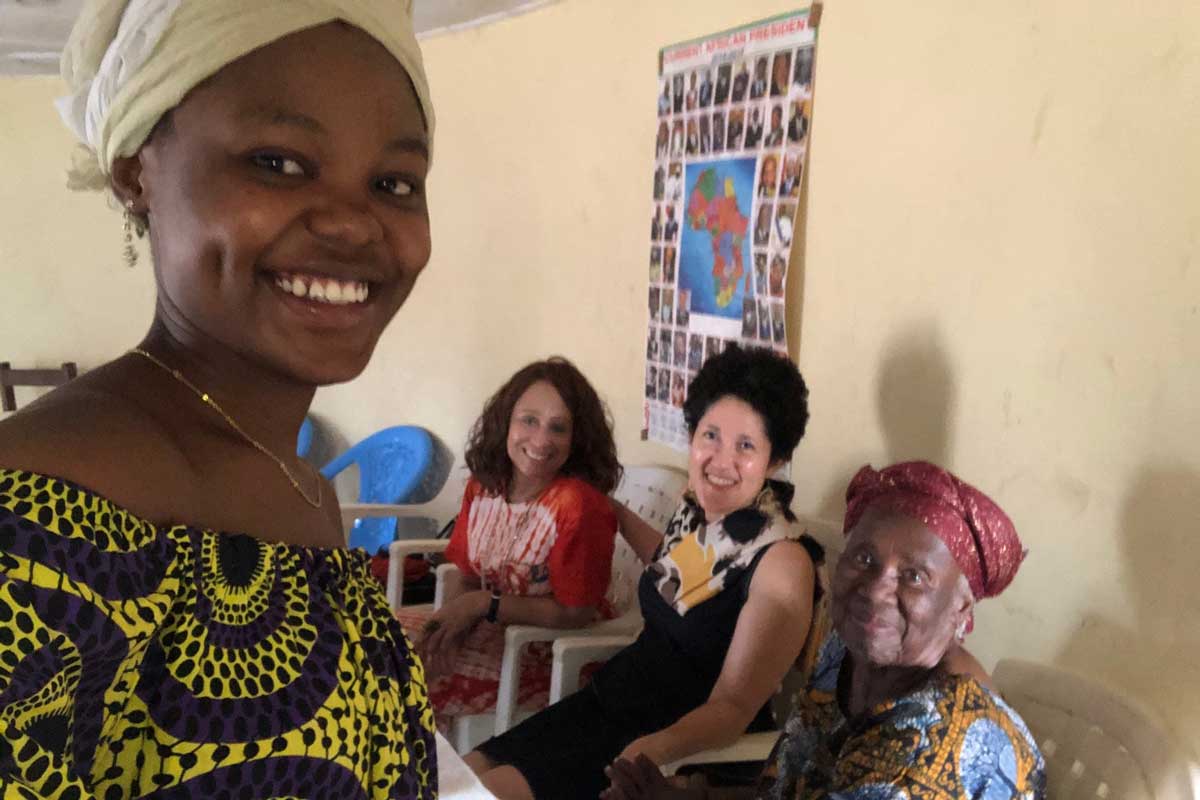
  Another view—one that I would like to align with the research and action of the Wellesley Centers for Women—is one that sees (and contributes to) hope, promise, and enthusiasm in and with regard to African youth and their prospects. An approach that asks African youth for their own perspectives and aspirations, one that embraces African youth and their insights and talents, and one that takes the historical, political, economic, structural, and systemic context of African youths’ lives into consideration—and, at times, challenges those—is the one I would like not only to endorse, but to operationalize. It is an approach that sees the wealth in people, not just one that sees the poverty created by their circumstances. It is also an approach that cultivates African youth leadership.
 Why Racialized Exclusion Hurts and How We Can Remain Resilient
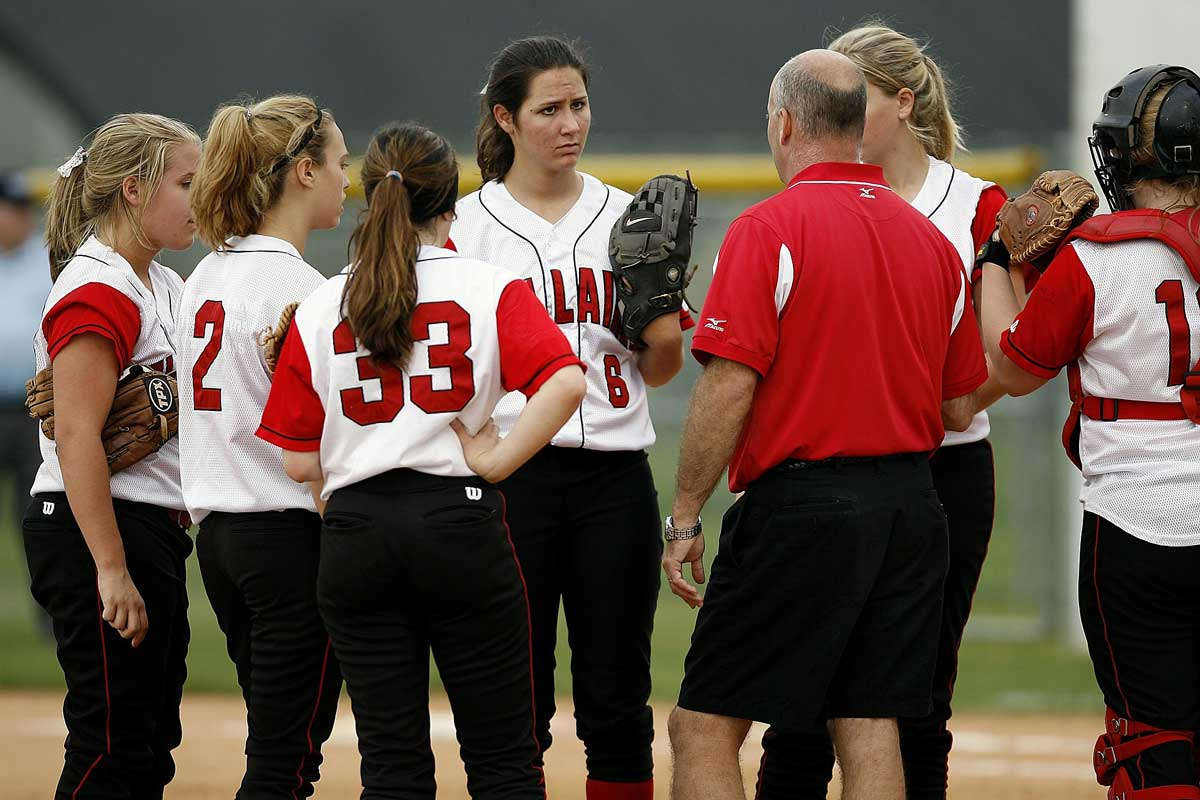 No one looks for a job in a newspaper’s “Help Wanted” section anymore. But some 50 years after the federal Equal Employment Opportunity Commissions in 1968 said that listing jobs under “male” and “female” headings was illegal, the psychological divide lingers – in sports.
 , Ph.D., is the Katherine Stone Kaufmann ’67 Executive Director of the
 In January 2018, President Trump famously raised his concerns regarding the “lack of Norwegians” and the excess of immigrants from low-income countries entering the United States – and
  Thich Nhat Hanh, the Vietnamese Buddhist monk nominated for the Nobel Peace Prize by Martin Luther King, Jr., in 1967, famously characterized the human mind as a storehouse filled with two kinds of seeds: good and bad. Humans have the capacity to be both good and evil, he pointed out, and it’s the seeds we water that ultimately grow. Think about that. When we look around the world today, we see a lot of evil sprouting up all around, and we wonder where it came from. We scratch our heads, we point fingers, and sometimes, in frustration, we join in the fray. Based on Thich Nhat Hanh’s insight, we should really take a closer look at how we are watering the seeds of the very evils we decry and detest – incivility, hate-based conflict and violence, and even basic intolerance.
 “Someday you will go to college, too,” a young mother tells her eight year old son at her baccalaureate graduation ceremony.

 In the “
 At the Wellesley Centers for Women, we envision a world of justice, peace, and wellbeing for women and girls, children and youth, families and communities, in all their diversity around the world. Like so many, our will and spirits have been tested by recent events, but our resolve has been strengthened. The fatal shooting of two African Americans in a Jeffersontown, Kentucky, grocery store; the more than a dozen pipe bombs sent to CNN and prominent progressive political leaders and supporters across the country; and the mass shooting of eleven worshippers at the Tree of Life Synagogue in Pittsburgh, Pennsylvania, are evidence that we need to stand strong and work together—to provide comfort, hope, knowledge, and power — to help shape a better world. We at WCW stand with those whose lives are forever changed. Only when social equity and equality, psychological wellbeing, peace, and freedom from violence and want evince for all people will our work have reached its true aim.
 Nan Stein
 This week, the
 This article was posted by Amy Banks, M.D., on September 18, 2018 in her Wired for Love blog on Psychology Today.
 About 20 tweens pile into the unassuming studio space of their ballet school in mid-July. There are no frills here. The waiting area is small and a bit disheveled; the cinder block building has seen its share of life. But look closer: there’s magic inside.
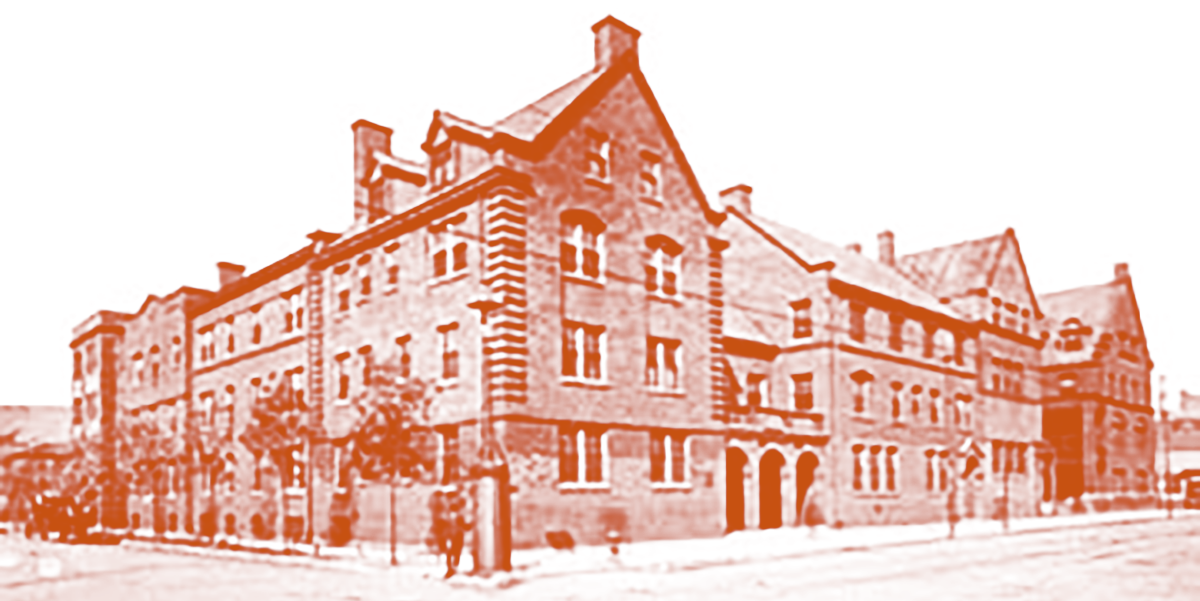 As a country we seem to be moving far away from the nurturing and sustaining activity of the settlement houses of our past. The first settlement house, established in New York City’s Lower East Side – Neighborhood Guild – was founded by Stanton Coit, and just a few years later came Hull House in Chicago, materializing through the passionate vision of Jane Addams. Settlement houses were the cornerstone of communities as they over time took on the task of educating citizens, providing English language classes for immigrants, organizing employment connections, and offering enrichment and recreation opportunities to all in the neighborhood. A most significant beginning to the current child and youth development field, settlement houses provided childcare services for the children of working mothers. The Immigrants’ Protective League, The Juvenile Protective Association, The Institute for Juvenile Research, The Federal Children’s Bureau, along with Child Labor Laws can all trace back to the persistent national
  This article was posted by Amy Banks, M.D., on June 19, 2018 in her Wired for Love blog on Psychology Today.
 We don’t live in an “either/or” world. Most non-sport institutions get this. It’s why Starbucks has unisex bathrooms, why there are forms to change your gender on government documents, why there is even a concept of “preferred pronouns.”
 Indian sprinter
  As I reflected earlier this month on
  But the very fact that we can clearly delineate “black sports” and “white sports” is not an accident but something nurtured and presumed. If sports are more than athletic contests—if they have social, economic, and political value—we must care who gets to play.
 For those too busy to watch the five-minute video, here is a summary of the study. The researchers brought three individuals to the social science lab and told one of them that they were in charge—essentially giving that person power over the other two. While the group was busy with the assigned task of writing boring university policy, the researchers brought out a plate of four cookies. Initially, each of the three participants ate one cookie each, leaving one on the plate. Interestingly, most of the time, the person given the power eventually ate the fourth cookie. In Dr. Keltner's study taking the fourth cookie correlated with having power and also with a decrease in activity of the mirror neuron system (the circuits in your brain that produce empathy and allow appreciation of the impact of your actions on others). Further, as the researchers watched the behavior of those given power, they observed that the people in charge ate differently. They chewed with their mouths open and occasionally had little pieces of food dropping out of their mouths. Dr. Keltner describes this change in the level of interpersonal awareness as the "paradox of power"—the qualities that often bring someone to power, like empathy and the ability to listen to others, diminish once a person is in power.
 I have been a fan of
  With our cell phones actively participating in locating the office, along with the skills of our car service driver, we arrived after lunch on November 14, 2017. About 12 women artisans were gathered together along with some staff -- they greeted us with a special handmade mandala on the floor, and after a candle lighting ceremony, they sang us a song that they had written.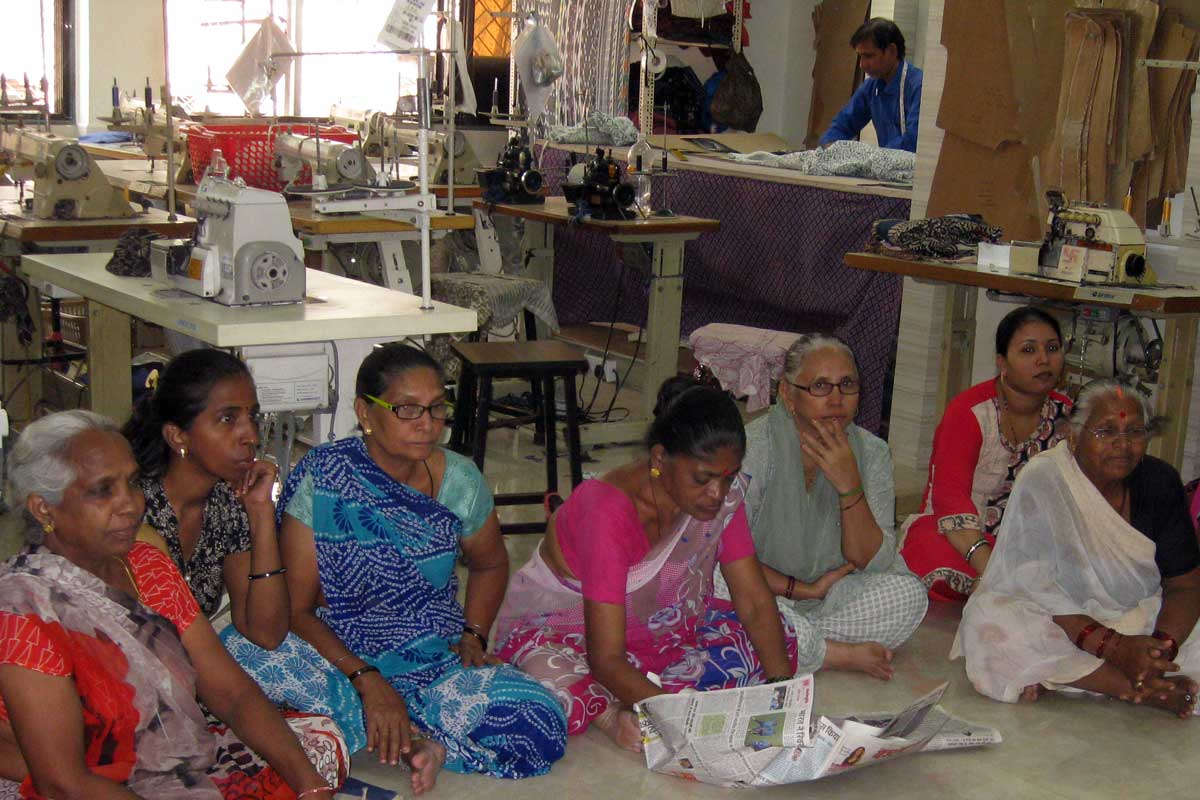
 We all have heard it, women earn about 20 percent less than men. But when, how, and why does the gap emerge? Everyone has an opinion on it, and these opinions range widely – which leads to many
  Another expensive “choice” women make is motherhood. Women are more likely to
  I applaud the strength and solidarity of the women (and men, too) who are asserting with the hashtag
  We must remember it is not only Hollywood producers who sexually assault and not only young actors who are the victims. The rapists and perpetrators of sexual assault include:
 Friday, September 8, is
  and sharing books begins at birth. Try to read aloud to your baby every day! With the very young infant you may look at only one page of a book- in time, you can look together at two or more. Turning the pages, labeling pictures and describing what is happening on the page all lead to vocabulary and grammar development. Reading to your baby also predicts their early reading and writing skills! Cuddling together to read and share books is a very pleasant experience for both the infant and you! These very early enjoyable experiences can lead to a life-long love of reading. When there are plenty of books available, an infant may even try to look at the pictures in books on her/his own. And, remember your local library is a good source of books for your infant.
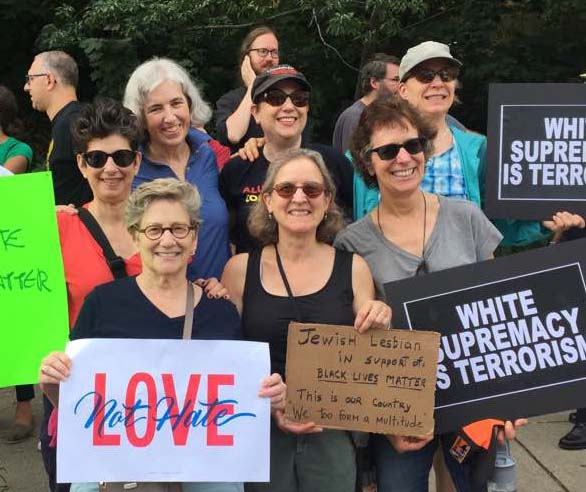
 How did this turnaround happen? I’m glad of it, but I don’t know. Some of the people I talked to theorized about a better-educated population, a two-term black president, more understanding and acceptance of LGBTQ people and other nonmainstream folk—and even the experience of the 1970s, from which at least some white people in Boston concluded that the anger, fear, and hatred that they directed toward people of color caused only misery and destruction—not only to others but even to themselves.
 As a developmental psychologist who works from an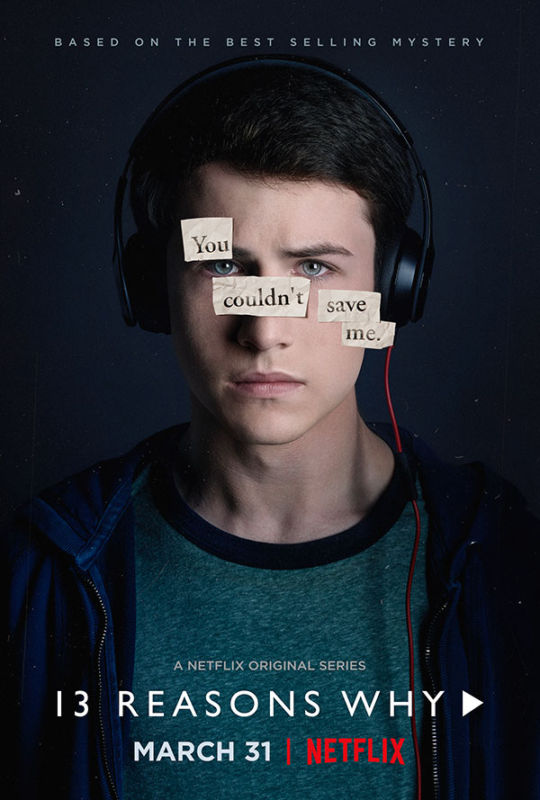
 Likewise, we worry about teens that exhibit signs of suicide. Sometimes these signs are subtle, such as giving away prized possessions, withdrawing from friends, or exhibiting significant behavioral changes, such as intense fights with family and friends. Teens thinking about suicide may also provide verbal cues, such as, “I wish I were dead” and “It’s not worth it anymore.” Also, many people who contemplate suicide do so because they believe they are a burden to others, and that they will be doing others a favor if they are no longer here. Thus, if you hear a teen say, “My family would be better off without me,” it is important to take action. Remember that 50-70 percent of people who make a suicide attempt communicate their intent prior to acting, mostly through such actions or verbal cues. Thus, if you recognize any of these signs, it is important to ASK. Although many of us find it scary to ask about suicide, or worry that asking about suicide will give someone the idea to attempt suicide, we know from numerous studies that talking about suicide will not lead to suicidal behavior.
 It’s
It’s 

 Victims of Domestic Violence Often Face Housing Problems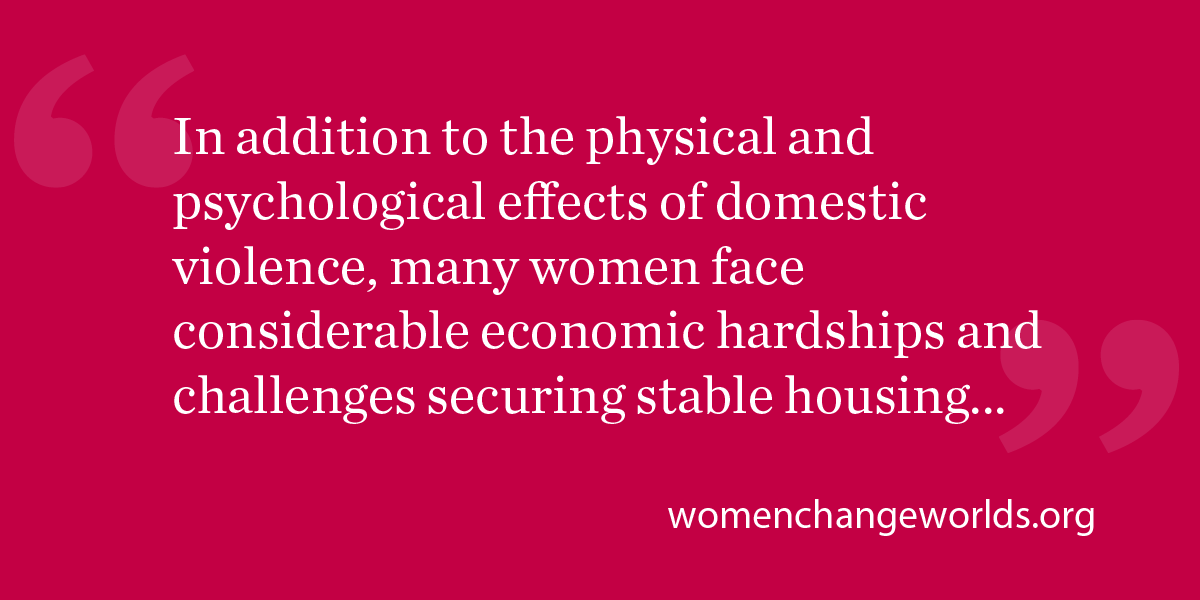

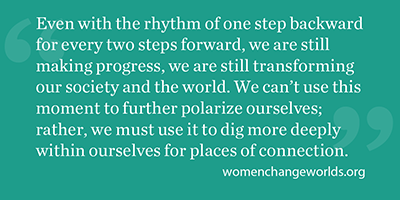 The biggest gift I can offer at this time is empathy – to those whose hopes were shattered, to those whose anger, pain, and frustration led us in this surprising direction, and to those who are just plain terrified right now, especially the little ones and the youth. Clearly, we are a country of different realities, and we need to find common ground. I remind myself of my own mantra, “All of us are sacred.” As Thich Nhat Hanh taught me, I breathe in, breathe out, and utilize the present moment as a place of refuge.
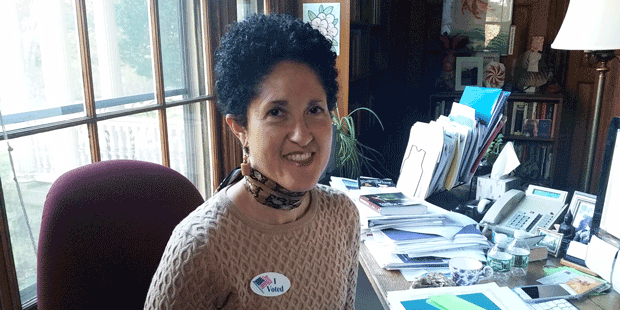 Since voting this morning, all I have been able to think about is the next four years. Without even knowing yet who is going to win, my mind has already jumped ahead. What do we want the next four years to be like? What can we do to make them be the way we want them to be? The negativity of the last 18 months has been excruciating, and I know it doesn’t represent the best of who we are. I want better for all of us!
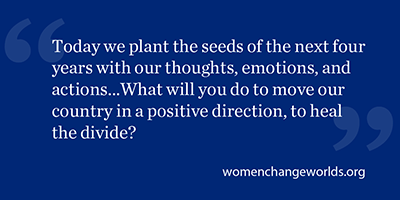 I’m starting with a post-election community unity block party in my neighborhood. I’m inviting the people I see every day – and a few I’ve yet to see, since I’m new to my neighborhood – to my home for an evening of fellowship and food with my family. I’ve let everyone know that it doesn’t matter how you voted, where you worship, whom you love, or where you come from – I just want us to come together in the spirit of friendship and community. My hope is that we will affirm each other as neighbors, discover through conversation the wonders of our diversity, and deepen our sense of connection, concern, and shared destiny. Maybe you can do something like this on the block where you live, too.
 Depression is Prevalent but Prevention Programs Are Limited
 Approaches & Recommendations
 Boston After School & Beyond (BASB)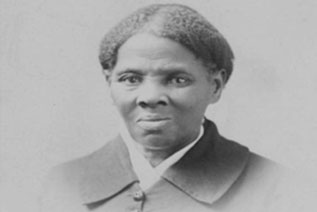
 When the U.S. Department of the Treasury announced two years ago that it was planning to put a woman on the $10 bill, I voted for Harriet Tubman every chance I got. I was privileged to participate in an invitation-only phone call of women leaders with representatives from the Treasury Department, and I also voted online as an “ordinary citizen.” And I unapologetically urged my friends on social media to do the same. So, when the
  Admittedly, if I had a private audience with Secretary Lew, I would suggest the inclusion of some notable Americans of Asian, Latin, Middle Eastern, Native American, and Pacific Islander descent in addition to the very welcome inclusion of African Americans on the new bills--and I might even suggest that he replace the image of slaveholder President Andrew Jackson (after whom my hometown, Jacksonville, Florida, is named, incidentally) with these diverse Americans, since he has (too) long had his day in the sun. I can only hope that this is the plan for the $50 and $100 bills!

 I could not help but be reminded of something that my grandmother Donnie would say to young people in our family. If anyone one of us dared to violate her standards of good grooming or “respectable” behavior, she would say: “Don’t go out acting like you don’t have people.” At the time, her counsel was little more than an irritation. “Having people” could mean anything from representing your family by working hard in school to properly ironing a ruffled blouse. It’s a safe bet that my grandmother never heard of Maslow, and I’m guessing she lived the better part of eight decades without ever using the words “self-esteem.” She did, however, know a lot about respect, reverence, and dignity. What we now call self-esteem is what my grandmother expressed as self and other--awareness. Her version of self-esteem was awareness of connection to community. Further, it meant appreciation for the care that community bestows, and an obligation to represent that care in the world and to the world. Put plainly the lesson was this: how you go out into the world is not just your private business; your behavior reflects on and has consequences for the communities from which you come.
 One of the foundational tenets of Relational-Cultural Theory is that the purpose of being in relationship. Having a sense of agency then is to claim our responsibility as co-creators of human possibility. I can think of a no more telling example of this perspective than a conversation I had with a young Indonesian man a few years ago. He told me that as a member of a religious minority in his country, he knew that he had to work twice as hard to get half as far: precisely the advice that I had heard growing up in a racially stratified culture decades earlier. Interestingly, this belief did not engender defeatism or victimhood. Rather, it confirmed the obligation to community: to advance the contributions of preceding generations and to provide “uplift” for future generations. Further, it instilled confidence in our ability and obligation to make the world a little bit better for others.
 So, how do we promote and ensure quality? One major key is staff training and professional development. Since NIOST’s early role in the
 form of justice-involvement (mostly probation). However, comparisons between justice-involved and non-justice-involved women revealed few differences on demographic and other characteristics. For example, their ages, maternal status, the number of children they have, their children’s ages, and the percentage living with their children.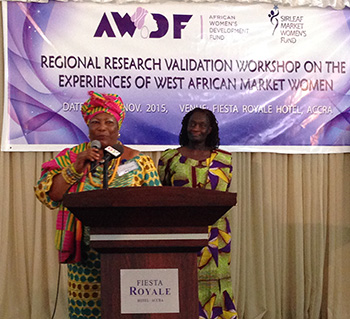
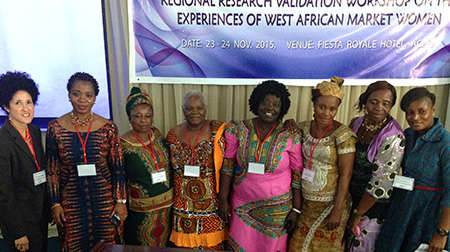
 market women organizations, with a special focus on gender parity in leadership. Although women are, by far, the largest proportion of marketers and traders, often it is the few men who are afforded positions of leadership that allow them to engage with policymakers. The market women who participated in our study would like to see women’s voices rise to the top and for women’s leadership to be recognized with top-level posts. Additionally, they indicated that the time might be right for a West Africa-wide market women’s organization that allowed market women from different countries to network, share best practices, and shape policy that affects them. Many touted the Sirleaf Market Women’s Fund as a good example of a multi-constituency organization that has raised the visibility of market women’s issues at the same time as it has brought different stakeholders together for a common cause, and they imagined this model growing from its roots in Liberia to other countries. Additionally, the pivotal roles of the African Women’s Development Fund, UN Women, and Ford, all of which have provided funding for market women’s issues and related actions, were lauded as model donors.
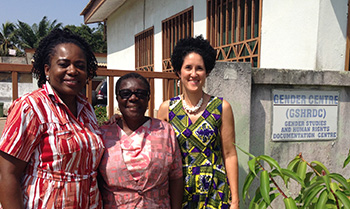
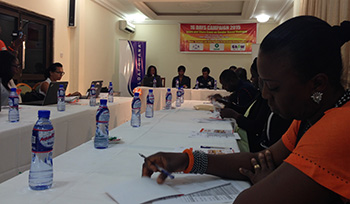
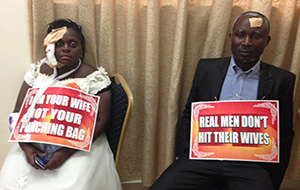 One conundrum that was discussed is the fact gender-based violence statistics have gone up in recent years in Ghana, begging the question of whether domestic violence really is on the rise or, alternately, whether the new law has merely increased reporting of incidents due to society-wide sensitization. Although both factors may be at play, there was general agreement that the law was a necessary intervention on an unacceptable situation--broad scale gender-based violence in Ghana. (Of course, lest anyone single Ghana out, the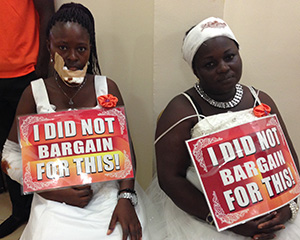
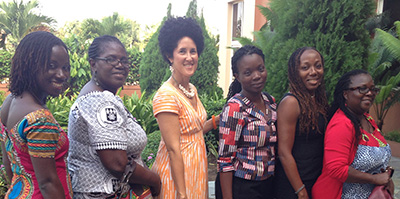
 data, convened a group of stakeholders to write new policy, and shepherded the draft policy through the national legislative process while simultaneously engaging in public education so that the government and the people were in it together. They needed to piece together support from many sources over many years to make this happen. Many others who also cared passionately about ending gender-based violence worked with them or supported this work. Now, as Ghana looks ahead the tenth anniversary of its landmark domestic violence legislation, the country can claim many accomplishments. These include the expansion of its judiciary system to address gender-based violence, a sensitized police force that includes a domestic violence unit, and the leadership of its Ministry of Gender, Children, and Social Protection. It also includes increased awareness of groups with special vulnerabilities (such as people with disabilities), and the education and sensitization efforts of numerous NGOs like WiLDAF and academic institutes like CEGENSA. All of these actors are vigorously working together to make sure that the country as a whole is moving in the same direction--away from gender-based violence and towards peace and security for women. Other countries can learn from Ghana --and other countries can increase the link between research and action to end gender-based violence.


 A word of caution: To conclude that the main problem is a pipeline issue and over time more women and people of color will become viable candidates is an incomplete diagnosis of the problem, and an excuse. It dismisses the large numbers of producers and directors who are well prepared and eager to take on artistic director positions. In addition to the pipeline, there is just as profound a glass ceiling that can be broken with a change in mindset among those who make hiring decisions. Here are some action points for hiring committees about selecting ADs:
 Beatrice’s education. As a result, Beatrice made it all the way to
  Recently, Beatrice updated us about her activities, which have grown to support the communities where she works in even broader ways. In addition to a library/community center in Amor Village, which was her project under IREX, she has now started a school complex in Tororo village that already includes a primary school and will grow to include a nursery school, a secondary school, and a vocational education center. Twenty-seven of the mentees who started with PCEF/RGCM at the beginning of secondary school are now pursuing university education. About half of them are studying to become teachers, but the others are pursing fields as diverse as accounting and finance, adult education, economics, motor mechanics, clinical medicine, nursing, human resource management, and wildlife management. Finally, Beatrice is mobilizing donors to purchase solar panels for the families in her network so that they can stop using kerosene lamps. She just thinks of everything!
 responding to and addressing such backlogs, including policies and protocols for notifying and involving victims. States and local jurisdictions have also been responding by implementing backlog reduction legislation or initiatives.
 director of the Women’s Law Project, who was honored by the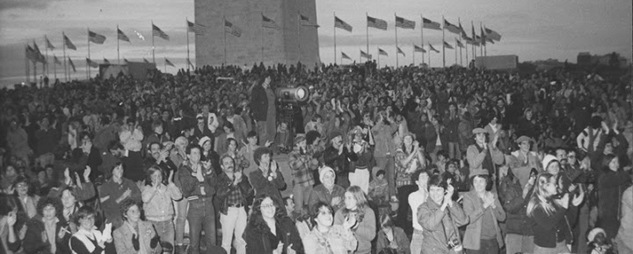
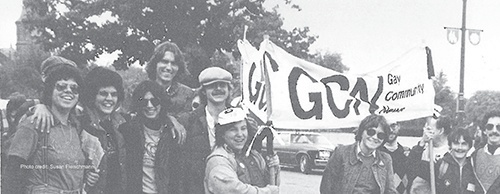 Thirty-six years later, the social status of LGBT people has changed enormously. Few LGBT people in Montana, say, would worry that a march in Washington, DC, would cause them to be set upon by an angry mob. In liberal Massachusetts, my employer, my neighbors, and my doctor all know I’m a lesbian. I’ve been married to my partner of 27 years since 2003—and my entire family came to our wedding. Since the Supreme Court’s Obergefell decision in June, my marriage is recognized by the federal government as well as that of my state. I can watch many television shows and movies in which LGBT characters make it through the entire plot without killing themselves. I can kiss my wife goodbye on the front steps when I leave for work in the morning without worrying (too much) that we’ll be beaten or shot.
 Still, as
  Everyone Needs to STOP the Pain!
 The obvious forms of social pain are glaringly obvious, often flagrant and extreme. Black men and women being stopped by police, detained or harassed, and imprisoned at sweepingly disproportionate rates compared to White people; too often resulting in violence and even murder.
 Over the summer, Alan visited us here at the Wellesley Centers for Women, and here’s what he had to say about Maggie>>
